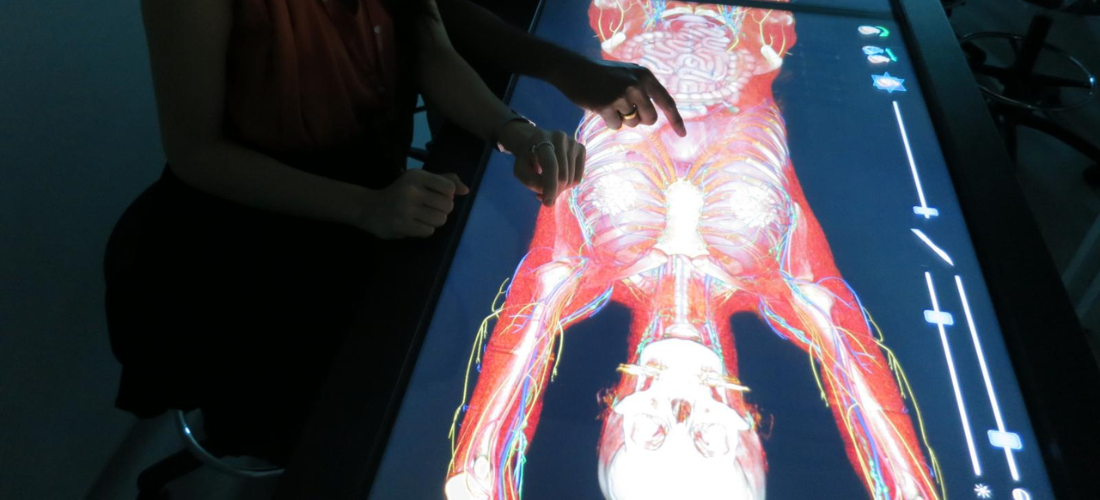
The Virtopsy Revolution: Digital Insights into Death
Virtopsy represents a significant leap forward, bringing to light hidden truths through
detailed three dimensional models of the human body. This advanced approach rejuvenates
forensic medicine, allowing practitioners to explore the body's interior with unprecedented
precision. It leverages a combination of sophisticated imaging technologies like Computed
Tomography (CT) scans, Magnetic Resonance Imaging (MRI) and Magnetic Resonance Spectroscopy
(MRS), each contributing its unique strengths to a comprehensive forensic analysis.
The Synergy of Advanced Imaging in Virtopsy
CT scans are particularly adept at mapping the path of bullets and revealing fractures, offering a clear picture of structural damage. MRI scans excel in examining soft tissues, uncovering injuries and bruises that might otherwise go unnoticed. MRS delves into the body's chemical composition, providing estimations of the time since death, an essential element in forensic investigations. This collaborative approach ensures a detailed and accurate narrative of the individual's final moments, offering insights into the cause and manner of death with a level of detail far beyond traditional methods.
Legal Aspects and Relevant Laws
The legal framework surrounding Virtopsy in India is an evolving landscape. The Indian
Evidence Act, 1872, under sections 45 and 46, allows for expert opinions on relevant facts,
which could encompass findings from virtual autopsies. However, specific guidelines and
legal recognition for Virtopsy as a standard procedure are yet to be established. The Code
of Criminal Procedure, 1973 (CrPC), particularly sections 174 and 176, outlines the
procedures for inquests and post mortem examinations but does not explicitly mention virtual
methods. As Virtopsy gains prominence, amendments and specific provisions are expected to be
incorporated into these and other relevant laws to accommodate and regulate this technology.
Incorporating Virtopsy into legal proceedings has the potential to revolutionize the justice
system. With its ability to provide accurate, detailed and quick results, Virtopsy can aid
in speeding up investigations, leading to faster court proceedings and more timely justice.
This aligns with Article 21 of the Indian Constitution which guarantees the right to life
and personal liberty. Virtopsy ensures that even in death an individual's dignity is upheld,
a core aspect of Article 21. By avoiding the invasive nature of traditional autopsies, it
respects the deceased's bodily integrity thus offering a more humane approach to
understanding the cause of death.
India's Forensic Advancements and Global Leadership
India's strides in Virtopsy not only place it at the forefront in South East Asia but also on the global stage as a leader in forensic innovation. The establishment of a dedicated virtual autopsy center at AIIMS, New Delhi, under the Indian Council of Medical Research (ICMR) and the Centre for Advanced Research and Excellence (CARE), marks a significant chapter in the nation's scientific journey.
AIIMS: Demonstrating Virtopsy's Impact
The All India Institute of Medical Sciences (AIIMS) in New Delhi has been instrumental in
demonstrating Virtopsy's capabilities. The high profile case of comedian Raju Srivastava, among
others, showcased how virtual autopsies provide crucial insights efficiently. Over the course of
two years, AIIMS has conducted 2,500 autopsies using both traditional and virtual methods. This
extensive application has not only proven Virtopsy's efficacy but also highlighted its potential
to transform forensic medicine. Further research, such as the ICMR funded study on sudden
unexplained deaths in youth, continues to explore and validate Virtopsy's applications.
Advocacy for Efficiency and Accuracy
Dr. Sudhir Gupta, a leading figure in forensic medicine at AIIMS, advocates for Virtopsy's
efficiency and precision. He contrasts the rapid 10-15 minute virtual examination with the
laborious six hour traditional autopsy, emphasizing not just the time saved but also the
increased accuracy and detail that Virtopsy offers.
Cultural Sensitivity and Speedier Investigations
Virtopsy holds particular significance in respecting the cultural and religious practices
associated with handling the deceased by avoiding dissection and maintaining the body's
integrity. This approach not only honors the dead but also aids forensic experts in accelerating
the investigative process, potentially leading to quicker resolutions in criminal cases. The
detailed digital records created facilitate a more thorough reconstruction of events, aiding in
criminal investigations and legal proceedings.